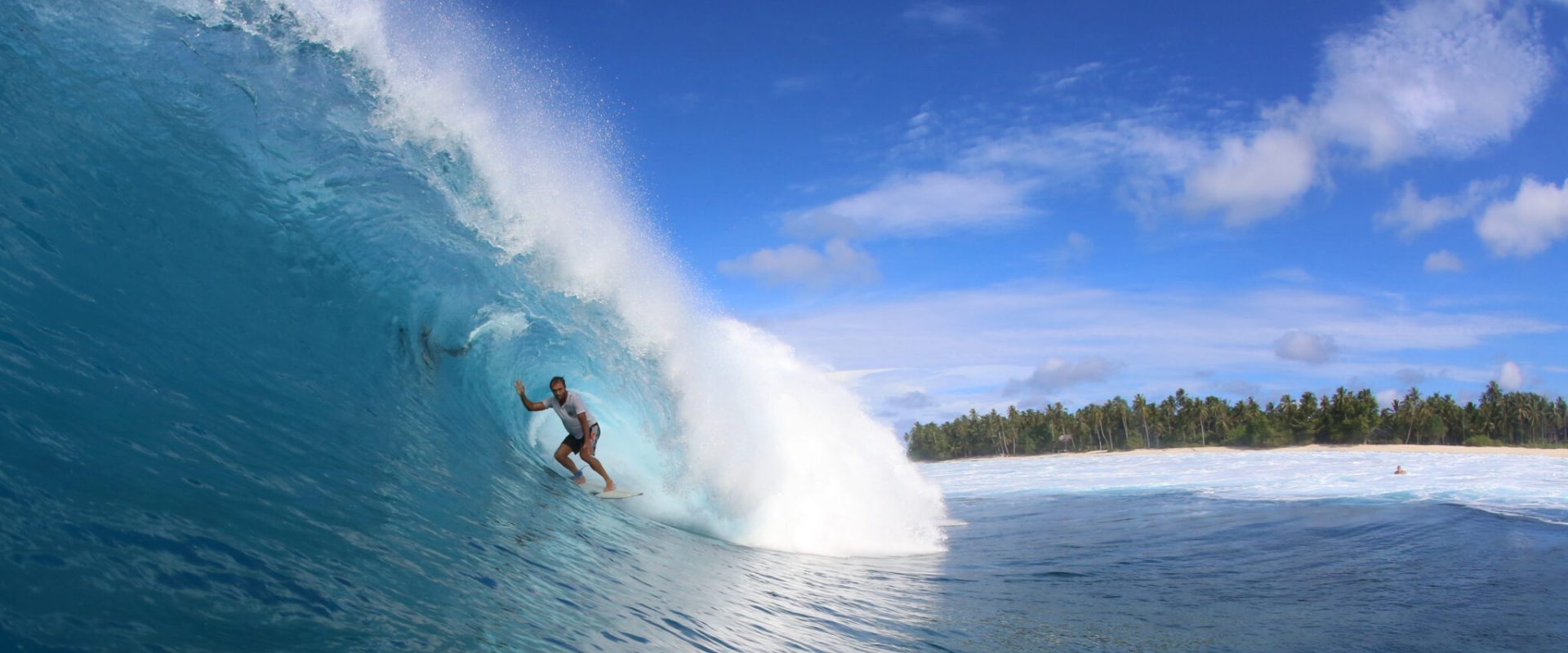
Surfing connects people across cultures, landscapes, and oceans. Whether you’re riding mellow waves in Costa Rica or tackling powerful breaks in Indonesia, understanding surf etiquette is key to ensuring that everyone can enjoy the ocean safely and respectfully.
When you’re in the water, there are a few unspoken rules of surfing, and understanding the fundamental principles of surf etiquette will help you to make the most of your surf trips—and keep the surf community harmonious.
- Avoid Dropping In – “Dropping in” refers to taking a wave that someone else has already claimed. This is considered disrespectful and can lead to dangerous situations. Always check to see who is closest to the peak of the wave and respect their right to ride it.
- Paddle Around the Lineup – If you’re heading out to surf, always paddle around the lineup rather than through it. This helps avoid collisions with other surfers who may be waiting to catch waves. Keep in mind that in some countries, like the Philippines or Costa Rica, the lineup can get crowded, so be mindful of others as you paddle out.
- Stay Away from the Take-Off Zone – The take-off zone is where surfers are catching waves. If you’re paddling out and entering this area, make sure to stay clear of surfers who are already riding waves. Respect the space they need to catch their wave and avoid paddling directly into their path.

- Snaking – Snaking is when a surfer paddles in front of someone to cut them off and get priority on a wave. This is a form of bad etiquette and can create tension in the lineup. To avoid snaking, always pay attention to where other surfers are positioned and be aware of your surroundings.
- Wait Your Turn – If you’re in a crowded lineup, practice patience. If there are surfers closer to the peak or on the wave already, it’s courteous to wait for them to catch it before paddling for the next one.
- Give Space – While it’s important to respect the order in the lineup, it’s equally important to respect other surfers’ space. Snaking can lead to unnecessary tension and accidents.

- Don’t Overestimate Your Ability – If you’re a beginner, stay at surf spots known for smaller, more manageable waves. Opt for beach breaks, where waves are gentler and there’s less risk of injury. Popular beginner surf spots like Bali, Costa Rica, and Sri Lanka are ideal for getting comfortable with the basics. If the surf is too powerful or the conditions are out of your league, don’t be afraid to sit out and watch.
- Respect the Ocean and Local Environment – Surfing is an activity that thrives on the health of the ocean and the environment. It’s essential to respect the local environment by practising good sustainability habits.
- Keep the Beach Clean – Always pick up your trash and dispose of it properly. Leave the beach for future surfers in a condition you would like to find it yourself!

- Be Friendly and Open to Learning – As a beginner, you may feel out of place in certain surf spots, but remember that surf communities worldwide are generally welcoming and open to newcomers. If you’re not sure of the local etiquette, don’t hesitate to ask a local surfer for advice on how to respect the waves and others.
- Embrace the Experience – Surf travel is as much about connecting with others and experiencing different cultures as it is about riding waves. Whether you’re in Bali, Morocco, or the Maldives, make the most of your experience by learning about the people and the place.

Understanding surf etiquette is an essential part of your journey as a surfer. By following basic rules of the lineup and being mindful of the environment, you’ll not only enhance your own experience but also contribute to a positive and safe surf community.
Whether you’re surfing in the Maldives, Costa Rica, or Morocco, remember that etiquette isn’t just about following rules – it’s about building respect with other surfers, respecting the ocean, and enjoying the waves together. Keep these tips in mind, and you’ll have a smoother, more rewarding surf experience on your travels.