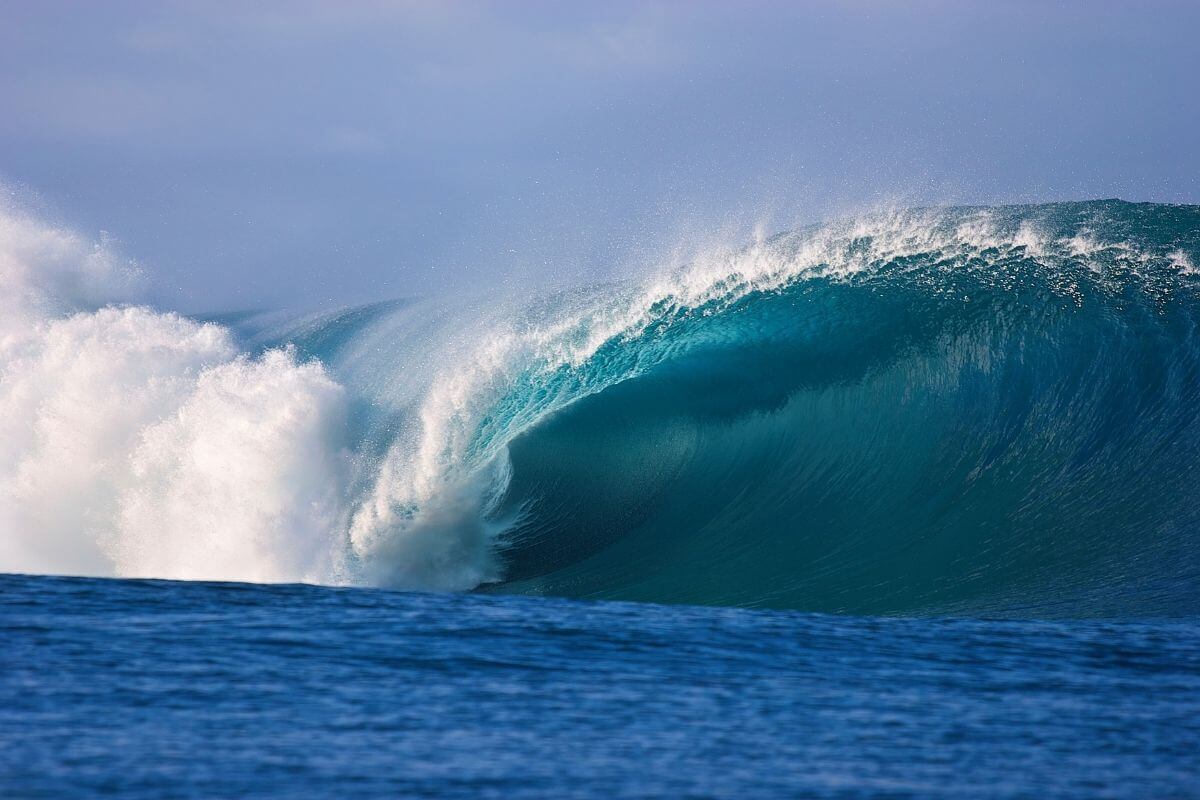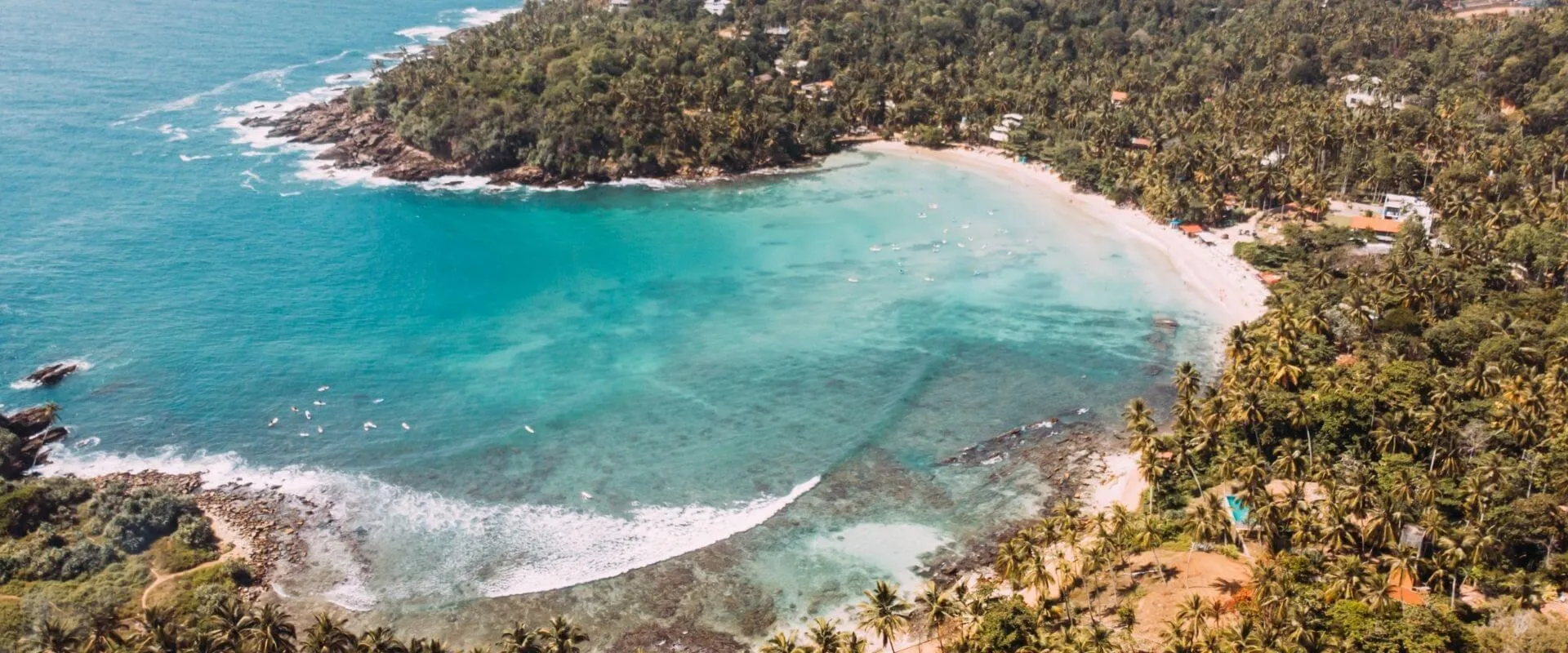
One of the most overlooked skills in surf travel is timing – not just in the water, but in planning where to go and when. The same destination can offer completely different experiences depending on the season, and understanding these shifts is what turns a good surf trip into a great one.
Rather than chasing generic “best months” lists, experienced surfers tend to think in terms of conditions, atmosphere, and what they want from a particular journey. Some seasons invite exploration and energy, while others reward patience and a more focused approach.
Why Seasonality Matters in Surf Travel
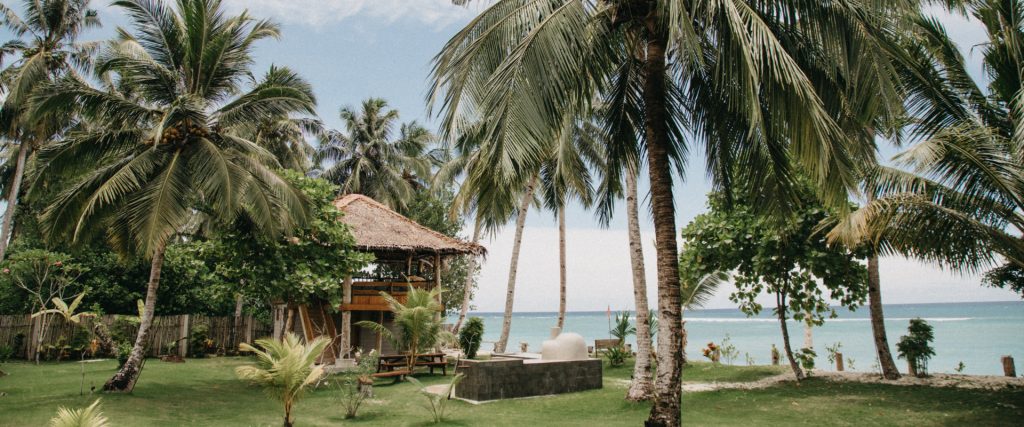
Surf destinations evolve throughout the year. Swell direction changes, winds shift, and coastal towns move through their own rhythms of busy and quiet periods. Travelling with the season allows surfers to align their expectations with what the destination naturally offers, rather than forcing a fixed idea onto it.
Seasonality also influences the overall feel of a trip. Some months bring social energy and full line-ups, while others offer space, calm, and a stronger sense of place. Neither is better – they simply serve different kinds of travel experiences.
Indian Ocean Choices: Sri Lanka and the Maldives
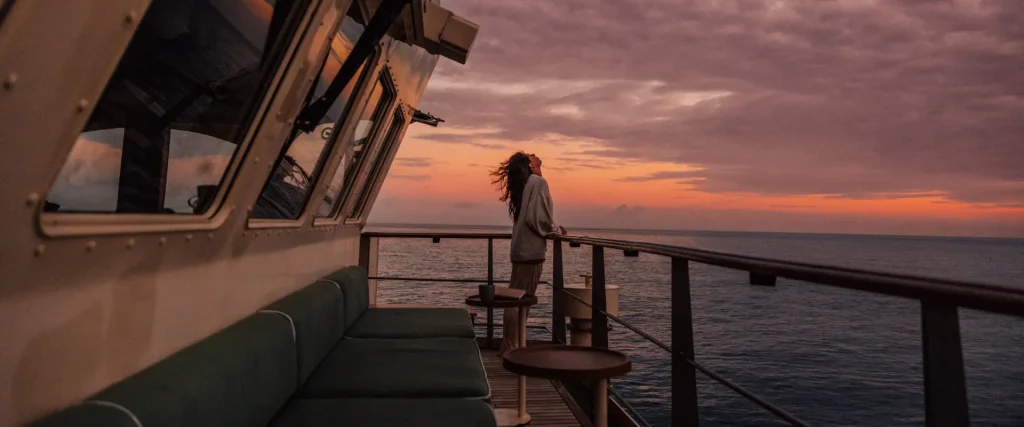
In the Indian Ocean, seasonality plays a defining role. Sri Lanka’s coastline transforms as swell and wind patterns shift, offering different regions their moment throughout the year. Planning a trip around these transitions allows surfers to experience the country at its best, both in the water and on land.
Staying at resorts such as Cape Weligama or Anantara Peace Haven Tangalle places travellers close to reliable surf zones while offering comfort and flexibility as conditions spring to life in the winter months. Surf sessions are easily balanced with cultural exploration, making Sri Lanka ideal for surfers who want variety alongside consistency.
The Maldives, by contrast, remains more stable in atmosphere, but subtle seasonal changes still shape the experience. Resorts like Niyama Private Islands, and Hudhuranfushi (Lohis) allow surfers to access quality breaks through the peak season of April-October while enjoying the predictability that makes the Maldives so appealing.

Indonesia: Navigating Variety Across the Archipelago
Indonesia’s strength lies in its diversity. With thousands of islands and countless breaks, seasonality becomes a tool rather than a limitation. Different regions come into their own at different times, offering surfers the chance to tailor trips based on preference rather than compromise.
In Bali, resorts such as Six Senses Uluwatu and Mondo Surf Village provide access to a wide range of breaks, although, November through to February brings more favourable winds to the neighbouring spots on Lombok.
This flexibility makes Indonesia a destination surfers return to repeatedly, each visit offering something new depending on the season.
Matching the Trip to the Intention
Understanding seasonality also helps clarify what kind of trip you want. Some surfers travel to push their limits, while others want consistency, space, or a blend of surf and exploration. The time of year often determines which of these takes priority.
AWAVE Travel’s approach focuses on matching destination, accommodation, and season to the individual traveller. By planning around natural cycles rather than fixed expectations, trips feel more fluid and rewarding, both in and out of the water.
The best surf journeys don’t happen by accident. They’re shaped by knowledge, timing, and a willingness to work with the environment rather than against it. When destinations are chosen with seasonality in mind, surfers arrive prepared – mentally and practically – for what the trip will offer.
With the right planning, each season becomes an invitation rather than a constraint, opening the door to experiences that feel aligned, intentional, and deeply connected to the ocean.