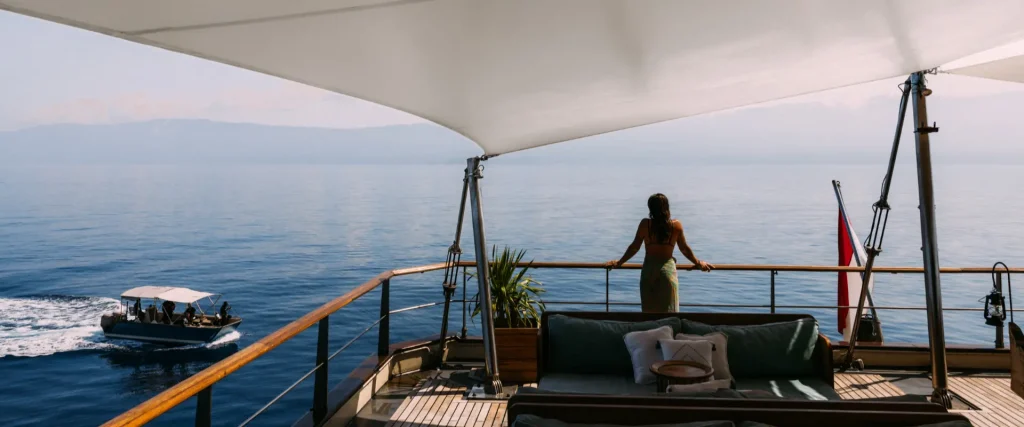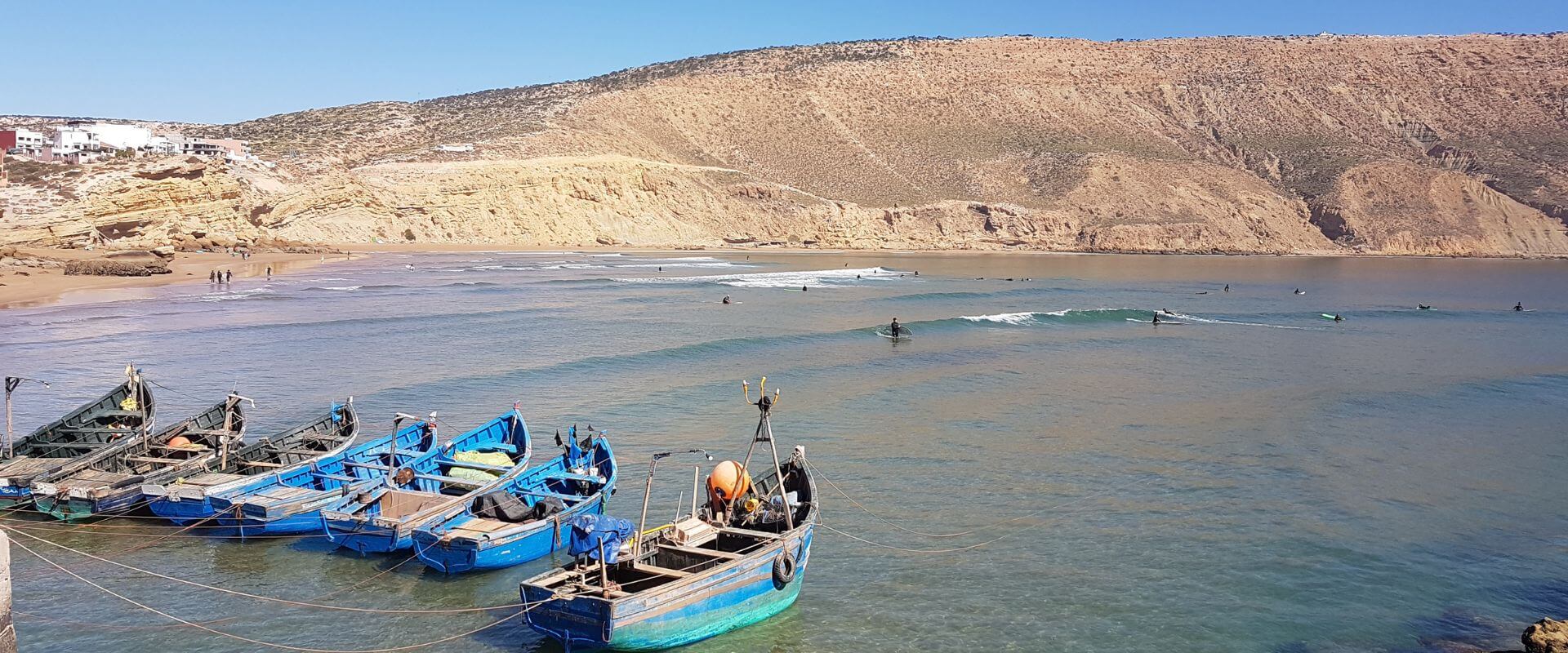
One of the understated pleasures of a surf trip is how quickly daily routines begin to dissolve. Away from fixed schedules and familiar pressures, time starts to reorganise itself around the ocean. Tides replace alarms, wind becomes a reference point, and meals fall naturally between sessions. This sense of rhythm – shaped by the sea rather than the clock – is often what surfers remember most when they return home.
Travel with intention allows this rhythm to emerge. Rather than chasing constant activity, the most rewarding surf journeys leave space for the days to unfold naturally.
Surfing Without the Rush
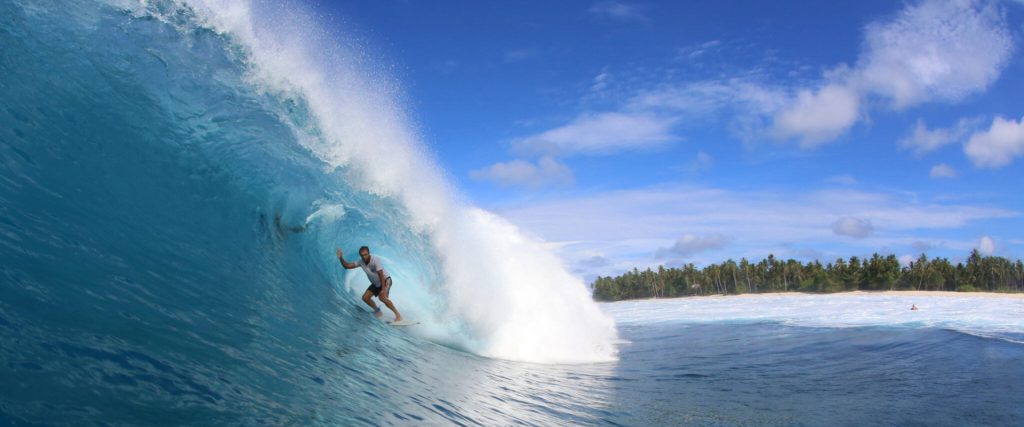
In many surf destinations, especially those curated by AWAVE Travel, the focus isn’t on how many waves you catch, but how each session feels. Early mornings might begin quietly, with a slow walk to the beach or a short boat ride across glassy water. The first session sets the tone for the day – unhurried, focused, and shaped by conditions rather than expectation.
Without crowded line-ups or rigid schedules, surfers have the freedom to wait for the right moment. Sessions end when they feel complete, not when the clock demands it. This slower approach often leads to better decisions in the water and a deeper connection with the break itself.

The Daily Flow
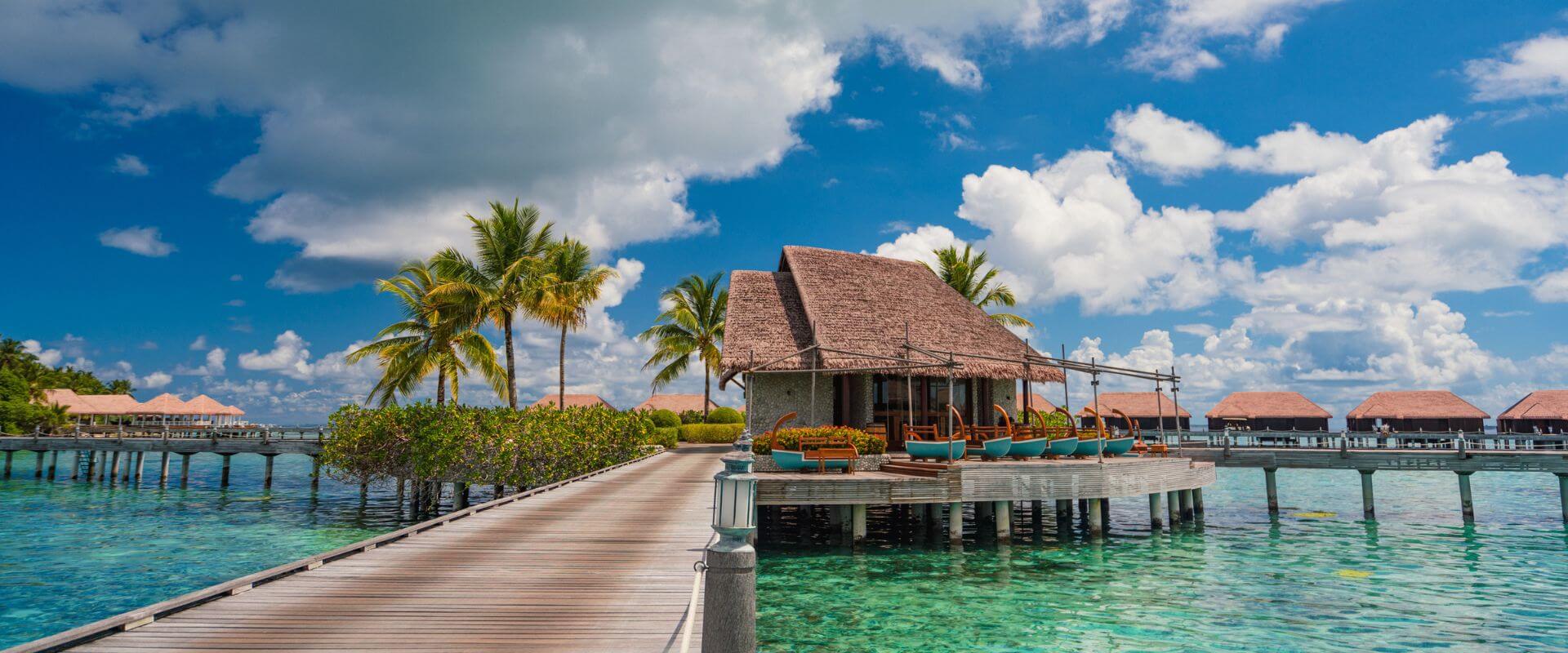
Different destinations encourage different rhythms. In the Maldives, days often centre around the water entirely. Surf sessions blend seamlessly into snorkelling, paddling, or time spent drifting between islands. Resorts such as Como Maalifushi or Niyama Private Islands offer a setting where movement feels minimal and purposeful, allowing surfers to stay connected to the ocean throughout the day.
In contrast, destinations like Sri Lanka add texture through culture and landscape. A morning surf might be followed by an afternoon exploring nearby towns, enjoying local cuisine, or retreating inland for quieter moments. Properties like Cape Weligama or Anantara Peace Haven Tangalle support this balance, offering access to both surf and space to slow down afterwards.Indonesia sits somewhere between the two.
In places like Bali or Sumbawa, surf sessions are often woven into vibrant daily life – coffee stops, market visits, sunset walks – creating a rhythm that feels energetic without being overwhelming. Resorts such as Six Senses Uluwatu or Baha Baha Villas Sumbawa allow surfers to dip in and out of that energy as they choose.
Allowing Time for Recovery
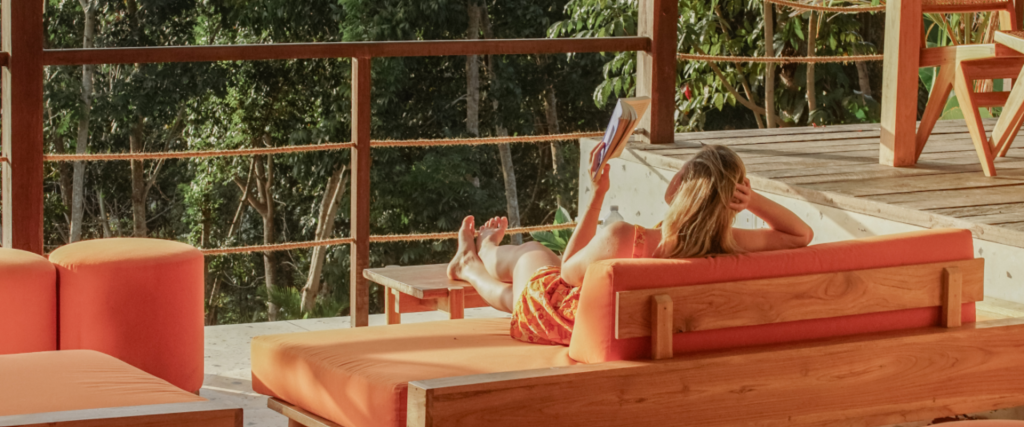
An often overlooked part of a surf trip is recovery. When travel is structured thoughtfully, rest becomes a natural part of the experience rather than an afterthought. Time between sessions is spent stretching, eating well, hydrating, or simply chilling out – all of which contribute to better surfing over the course of a trip.
This is where well-chosen accommodation matters. AWAVE Travel’s resorts are designed to support the full rhythm of a surf day, offering spaces that encourage both movement and rest. Whether it’s a shaded terrace, a quiet beach, or a spa overlooking the ocean, these moments of pause help maintain energy and focus.
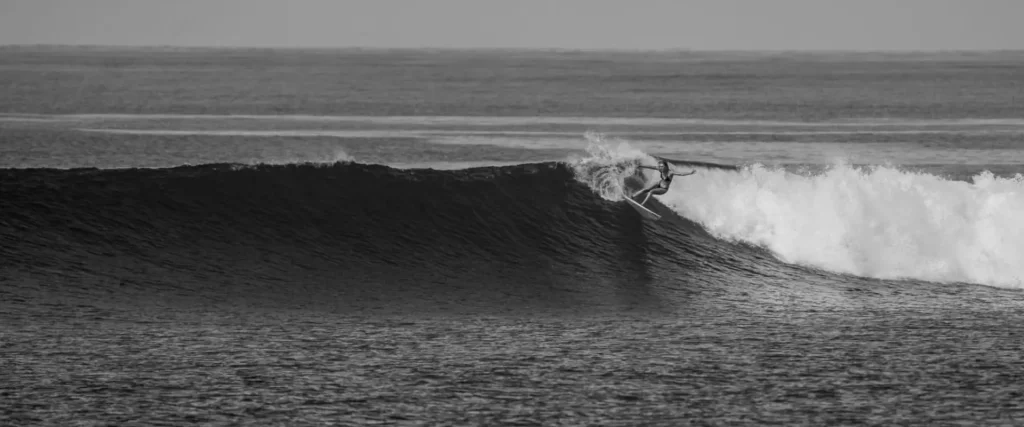
Perhaps the most valuable aspect of finding rhythm on a surf trip is what stays with you afterwards. The awareness of tides, the patience to wait, and the comfort with unstructured time often translate back into everyday life. Surf travel becomes more than an escape – it becomes a reset.
Trips that allow days to shape themselves tend to linger in memory long after the return home. They remind surfers that the ocean doesn’t operate on urgency, and that some of the best sessions – and days – happen when we stop trying to control them.
With the right destination, the right timing, and the right space to slow down, a surf trip becomes less about chasing waves and more about moving in step with them.